

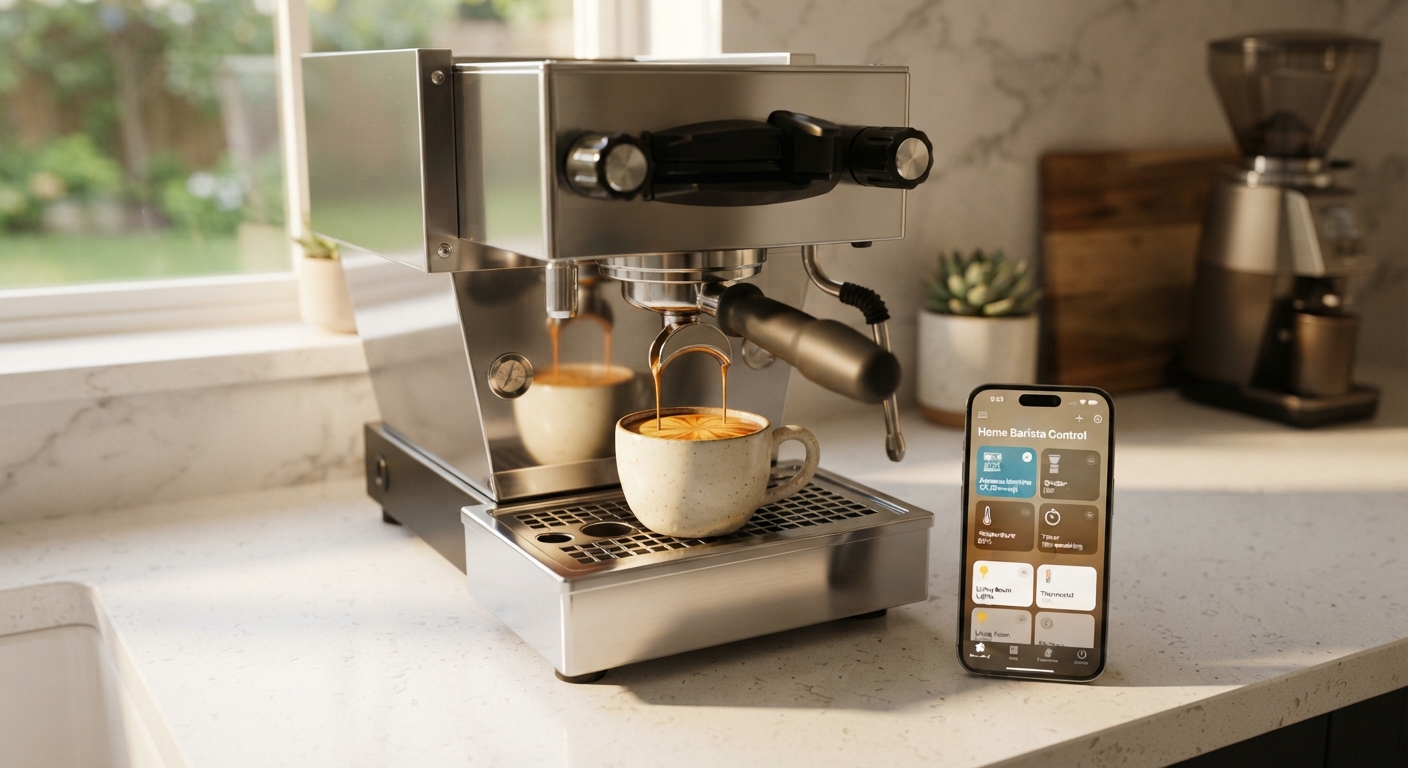
Stepping into the world of home espresso is a rewarding journey that can save you hundreds of dollars a year at local cafes. However, for a beginner, navigating the technical jargon—from boilers to portafilter sizes—can feel overwhelming. Buying your first home espresso machine is a significant investment, and choosing the right one depends heavily on your daily routine and budget.
To help you brew the perfect morning shot, this buying guide breaks down the essential features you must evaluate before purchasing your first home espresso machine.
1. The Heating System (Thermoblock vs. Boiler)
Temperature stability is the secret to great espresso. You will encounter two primary heating systems in entry-level machines:
Thermoblock: This system heats water on demand. It heats up very quickly (under 3 minutes) but can sometimes struggle with precise temperature consistency.
Single Boiler: This provides better temperature stability but takes much longer to heat up (sometimes 15 to 30 minutes). Pro Tip: Many home baristas solve this waiting time by connecting their boiler machines to Smart Plugs. This allows you to schedule the machine to turn on and heat up 30 minutes before your morning alarm goes off.
2. The Importance of the Grinder
A common beginner mistake is spending the entire budget on the espresso machine while neglecting the grinder. In reality, a great grinder paired with a cheap machine will produce better coffee than a premium machine paired with a poor grinder.
If you buy a standalone machine without a built-in grinder, ensure you budget for a high-quality conical or flat burr grinder. Pre-ground coffee goes stale quickly and rarely works well for authentic espresso extraction.
3. Standard vs. Pressurized Baskets
Beginners should look for machines that include both pressurized (dual-wall) and non-pressurized (single-wall) filter baskets.
Pressurized baskets create artificial pressure, making it easy to get a decent layer of crema even if your coffee grind isn’t perfect. As your skills improve and you buy a better grinder, you can switch to the non-pressurized basket to extract the true, complex flavors of fresh coffee.
Final Thoughts
Your first espresso machine should be a stepping stone into the world of specialty coffee. For most beginners, a high-quality semi-automatic machine offers the best introduction. Remember to allocate a portion of your budget to essential accessories like a sturdy tamper and fresh, high-quality coffee beans.