

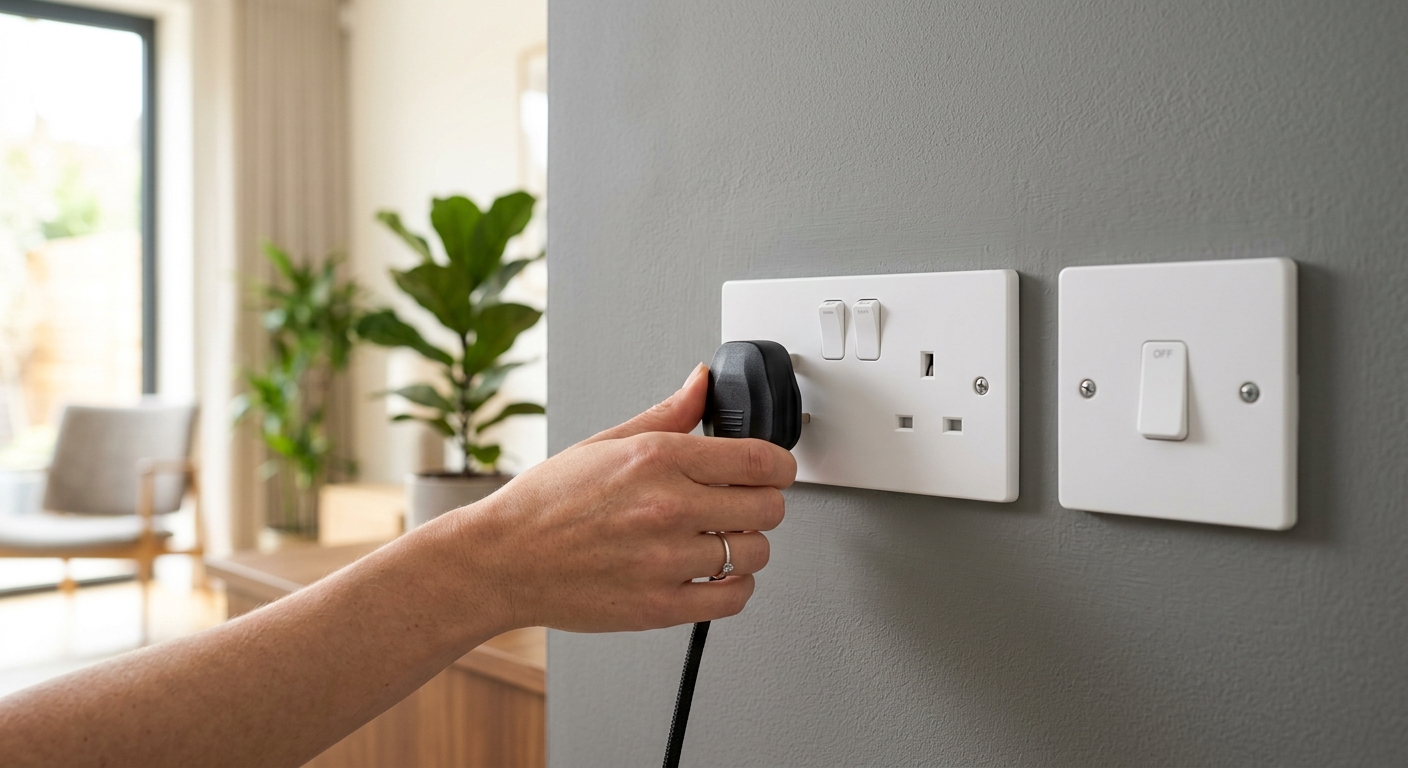
Electricity is the invisible force that powers our modern lives, keeping our homes warm, our food cold, and our devices connected. Because it operates silently behind our walls, it is incredibly easy to take for granted. However, ignoring basic electrical safety can lead to catastrophic consequences, including severe shocks, damaged appliances, and devastating house fires.
According to safety experts, many electrical fires are entirely preventable with a bit of knowledge and routine maintenance. In this comprehensive guide, we will explore the most common hidden electrical hazards in your home and provide actionable steps to ensure your living space remains completely safe for you and your family.
1. Recognize the Warning Signs of Faulty Wiring
Your electrical system will usually give you warning signs before a major failure occurs. Learning to recognize these red flags can save your home. If you notice lights flickering or dimming when you turn on a heavy appliance (like a microwave or vacuum cleaner), it indicates a dangerous power fluctuation.
Additionally, pay attention to your senses of smell and touch. If you detect a faint burning or acrid plastic smell near an outlet, or if a switch plate feels unusually warm to the touch, turn off the power at the circuit breaker immediately. These are strong indicators of loose connections or melting wires behind the drywall, which require professional inspection.
2. The Dangers of Overloaded Circuits
In our tech-heavy world, it is common to have a TV, sound system, gaming console, and phone charger all plugged into the same corner of the room. However, plugging too many high-wattage devices into a single circuit is a recipe for disaster. When a circuit draws more current than it is rated for, the wires heat up, degrading the protective insulation over time.
Never rely on cheap, multi-plug splitters to multiply your outlet space. Instead, map out your home’s circuits and distribute heavy appliances (like space heaters, window AC units, and refrigerators) across different breakers. If a breaker trips frequently, it is doing its job to protect you, but it also means you need to rethink your power distribution.
3. Upgrading Outdated Components
If you live in an older home, your electrical infrastructure might not be equipped to handle the demands of modern technology. Homes built decades ago often feature ungrounded, two-prong outlets that offer no protection against electrical surges. Continuing to use these outdated systems puts your expensive electronics and your personal safety at risk.
One of the most effective ways to modernize your home’s safety is by replacing old receptacles. By upgrading to modern Wall Sockets & Switches, especially those featuring built-in Ground Fault Circuit Interrupter (GFCI) technology, you can instantly cut off power if a fault is detected, significantly reducing the risk of accidental electrocution.
4. Water and Electricity: A Fatal Combination
It is a well-known fact that water conducts electricity, yet bathrooms, kitchens, and laundry rooms remain the most dangerous areas in a house. To maintain electrical safety, all outlets within six feet of a water source must be GFCI-protected. These specialized outlets monitor the electrical current and will trip in milliseconds if they detect that electricity is escaping through water or a person.
Always keep small appliances, such as hair dryers and electric razors, unplugged and stored away from sinks and bathtubs when not in use. Furthermore, never handle plugs or flip switches with wet hands, and ensure your outdoor outlets are equipped with weatherproof covers.
5. Safe Practices for Cord Management
How you handle the cables and cords around your home plays a massive role in fire prevention. Never run cords under carpets or heavy furniture. The friction from walking on the carpet can fray the protective insulation over time, exposing bare wires and creating a severe fire hazard.
Similarly, inspect the cords of your appliances regularly. If you spot a cord that is cracked, frayed, or held together with electrical tape, stop using the appliance immediately. Replacing a damaged cord is vastly cheaper than recovering from a house fire.
Final Thoughts on Home Electrical Safety
Maintaining a safe electrical environment in your home does not require an engineering degree; it simply requires vigilance and common sense. By paying attention to warning signs, avoiding overloaded circuits, and upgrading outdated wall receptacles, you can protect your property and your loved ones. When in doubt, never attempt complex DIY electrical work—always hire a licensed, professional electrician.