

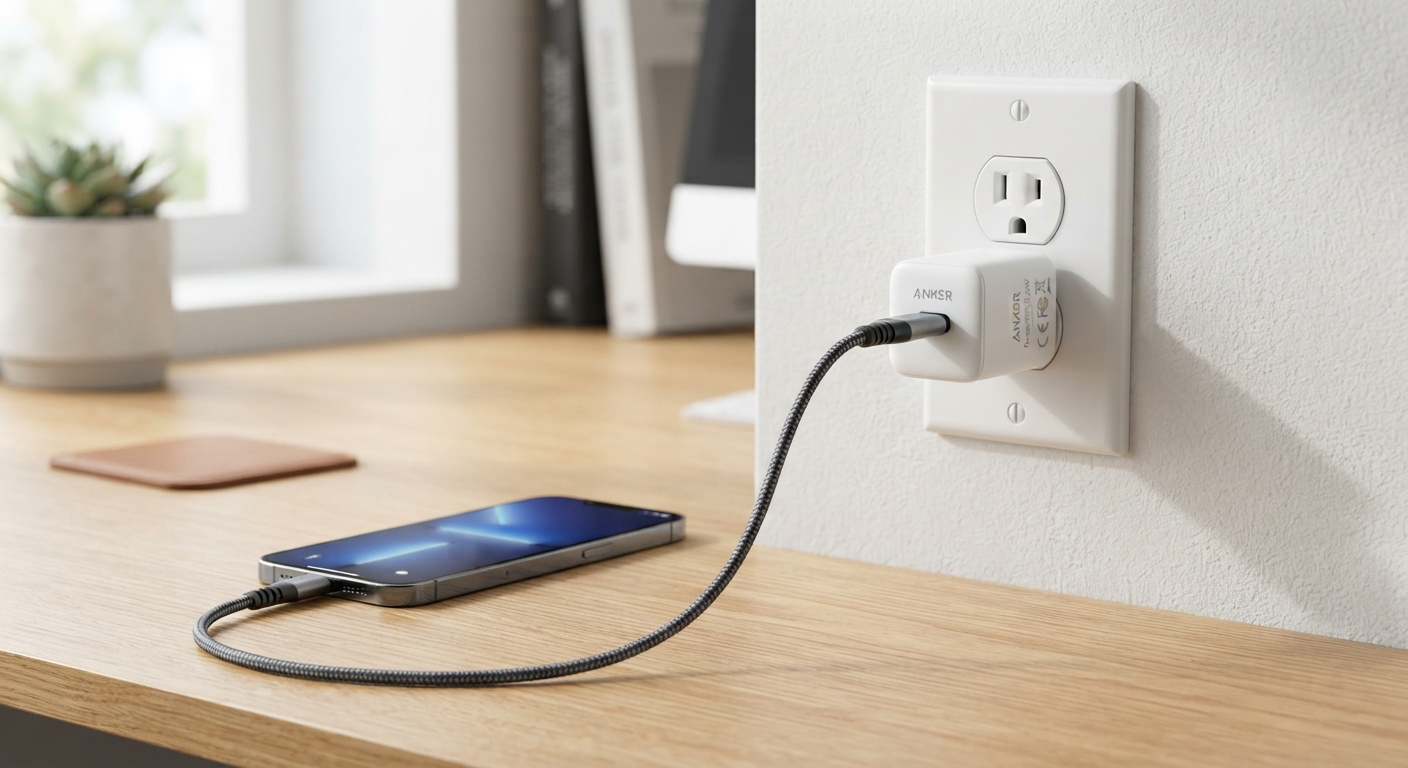
In our hyper-connected world, keeping our smartphones, tablets, and smartwatches powered is a daily necessity. We often leave chargers plugged into every room of the house, in our cars, and at our office desks. Because we rely on them so heavily, it is incredibly tempting to grab the cheapest replacement charger available when our original one breaks or goes missing.
However, what seems like a harmless budget purchase can actually pose a severe threat to your home and your expensive electronics. Counterfeit and low-quality chargers are notorious for causing electrical shocks, destroying device batteries, and sparking devastating house fires. In this guide, we will uncover the hidden dangers of cheap charging equipment and explain how to safely power your modern life.
1. The Anatomy of a Safe Charger
To understand why cheap chargers are dangerous, you must first understand what a quality charger actually does. A charger is not just a piece of plastic that passes electricity from the wall to your phone; it is a complex miniature power supply. Its primary job is to take the high-voltage alternating current (AC) from your wall socket and safely convert it into the low-voltage direct current (DC) that your smartphone battery requires.
High-quality chargers contain internal transformers, advanced circuit boards, and thick layers of insulation. These components ensure that if a power surge occurs, the high voltage is physically blocked from reaching your device—and from reaching your hands when you touch the metal charging cable.
2. The Fire Risk of Counterfeit Electronics
Manufacturers of ultra-cheap, counterfeit chargers drastically cut costs by skipping essential safety components. They often remove the necessary insulation between the high-voltage and low-voltage sides of the internal circuitry. If a component fails inside one of these cheap chargers, massive amounts of electrical current can shoot straight down the cable.
This lack of regulation leads to severe overheating. A poorly made charger can easily reach temperatures high enough to melt its own plastic casing. If this happens while the charger is plugged in near flammable materials, such as bedroom curtains, carpets, or bedsheets, it can ignite a rapid and deadly house fire in a matter of minutes.
3. Protecting Your Expensive Devices
Even if a cheap charger does not start a fire, it will almost certainly degrade the lifespan of your smartphone or tablet. Quality chargers contain smart chips that communicate with your device to deliver the exact amount of power needed, and they automatically stop drawing current when the battery reaches 100%.
Counterfeit chargers lack this smart technology. They constantly push inconsistent, “dirty” power into the battery, causing it to run hot and lose its capacity to hold a charge much faster than normal. To protect your thousand-dollar smartphone, you should only invest in certified, high-quality USB Chargers & Adapters that feature built-in overcharge protection and temperature control.
4. Safe Charging Habits You Must Adopt
Beyond buying the right equipment, how you charge your devices plays a massive role in electrical safety. Here are three critical habits to adopt immediately:
- Never Charge on Your Bed: Phones and laptops generate heat while charging. Placing them on a soft surface like a pillow, blanket, or mattress traps that heat, pushing the battery to dangerous temperatures. Always charge devices on a hard, flat surface like a wooden nightstand or a glass desk.
- Unplug Chargers When Not in Use: Even when a device is not connected, a charger left plugged into the wall still draws a small amount of electricity. In a faulty charger, this continuous draw can slowly cause internal components to overheat over time.
- Inspect Your Cables: Frayed or exposed wires at the base of your charging cable are a massive shock hazard. Never try to repair a broken cable with standard tape; throw it away and purchase a certified replacement.
Final Thoughts on Charging Safety
Saving a few dollars on a budget charger is never worth the risk of a house fire or a ruined smartphone battery. By understanding the technology inside these vital accessories and adopting safe charging habits, you can keep your devices powered and your home entirely safe. Always look for recognized safety certifications (like UL, CE, or RoHS) on the packaging before plugging anything into your walls.