

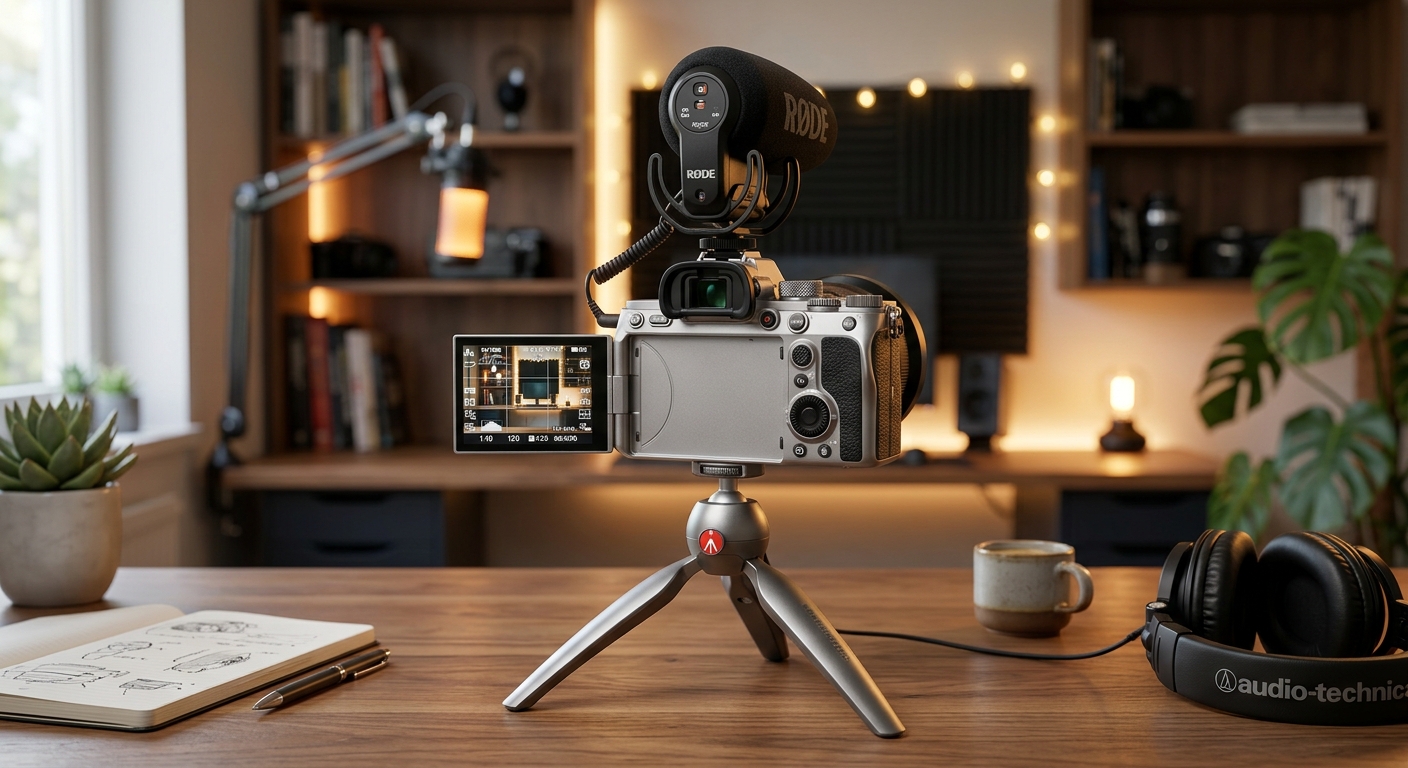
Vlogging has evolved from simple, shaky smartphone recordings into high-quality, cinematic storytelling. If you are looking to start a YouTube channel or elevate your digital presence in 2026, upgrading to a mirrorless camera is one of the most impactful steps you can take. Mirrorless cameras offer larger sensors, superior low-light performance, and the creative flexibility of interchangeable lenses.
However, choosing the right camera for video creation is completely different from buying one strictly for still photography. Features like megapixel counts matter less, while autofocus speed and audio capabilities become critical. In this comprehensive beginner’s guide, we will break down the essential features every aspiring vlogger must evaluate before purchasing their first mirrorless camera.
1. A Fully Articulating Flip Screen
When you are vlogging, you are usually filming yourself. Therefore, a fully articulating (vari-angle) touchscreen is absolutely non-negotiable. This feature allows you to flip the screen out to the side, so you can monitor your framing, check your focus, and ensure your lighting looks perfect while you are standing in front of the lens.
Without a flip screen, you will constantly be guessing if you are in the shot or if the top of your head is cut off. This leads to wasted time and unusable footage. Make sure the screen is bright enough to be seen in direct sunlight if you plan on vlogging outdoors frequently.
2. Reliable Autofocus with Face and Eye Tracking
When you are talking to the camera, walking around, and presenting items to your audience, you cannot manually pull focus. You need a camera with an incredibly reliable continuous autofocus (AF) system. For vlogging, look for models that specifically highlight Eye-AF and Face Tracking capabilities in video mode.
Modern mirrorless cameras use advanced AI processors to instantly recognize human faces and lock focus strictly on the eyes. This ensures you remain perfectly sharp and in focus, even if you walk towards the camera or turn your head quickly.
3. In-Body Image Stabilization (IBIS)
Vlogging often involves walking and talking, a style known as “run-and-gun” shooting. If your camera shakes violently with every step you take, your audience will get dizzy and quickly click away from your video. To combat this, look for cameras equipped with In-Body Image Stabilization (IBIS).
IBIS mechanically shifts the camera’s sensor inside the body to compensate for the micro-movements of your hands. While it will not replace a dedicated electronic gimbal for extreme running shots, a good IBIS system allows you to capture smooth, highly professional handheld footage during everyday vlogging.
4. Audio Capabilities and Microphone Inputs
Viewers will often forgive slightly blurry video, but they will instantly click away from a video with terrible, echoing audio. The built-in microphones on all mirrorless cameras are generally poor, picking up excessive wind noise and background chatter.
It is crucial that the camera you buy has a standard 3.5mm microphone input jack. This allows you to attach a high-quality directional shotgun microphone to the top of the camera or plug in a wireless lavalier mic system. An added bonus to look for is a headphone jack, which lets you monitor the audio in real-time to ensure your levels are correct.
5. Setting Up Your Home Studio Lighting and Power
Many vloggers shoot “talking head” videos in a dedicated home studio or bedroom setup. When setting up a permanent indoor recording space, you will likely invest in LED ring lights, key lights, and background RGB lighting to make your video look cinematic. Managing the power for all these lights, alongside your camera’s dummy battery, requires careful planning to avoid tripping hazards.
To keep your studio safe and professional, use heavy-duty Extension Cords to route power discreetly along the baseboards of your room. This allows you to place your lighting stands exactly where you need them without being restricted by the location of your wall outlets.
Final Thoughts on Your First Camera
Your first mirrorless camera should make the vlogging process easier and more enjoyable, not more complicated. Prioritize a flip screen, exceptional autofocus, and good audio capabilities over massive video resolutions like 8K, which will only fill up your hard drives faster. By investing in the right camera body and setting up a reliable recording space, you will be well on your way to creating professional-level content.