

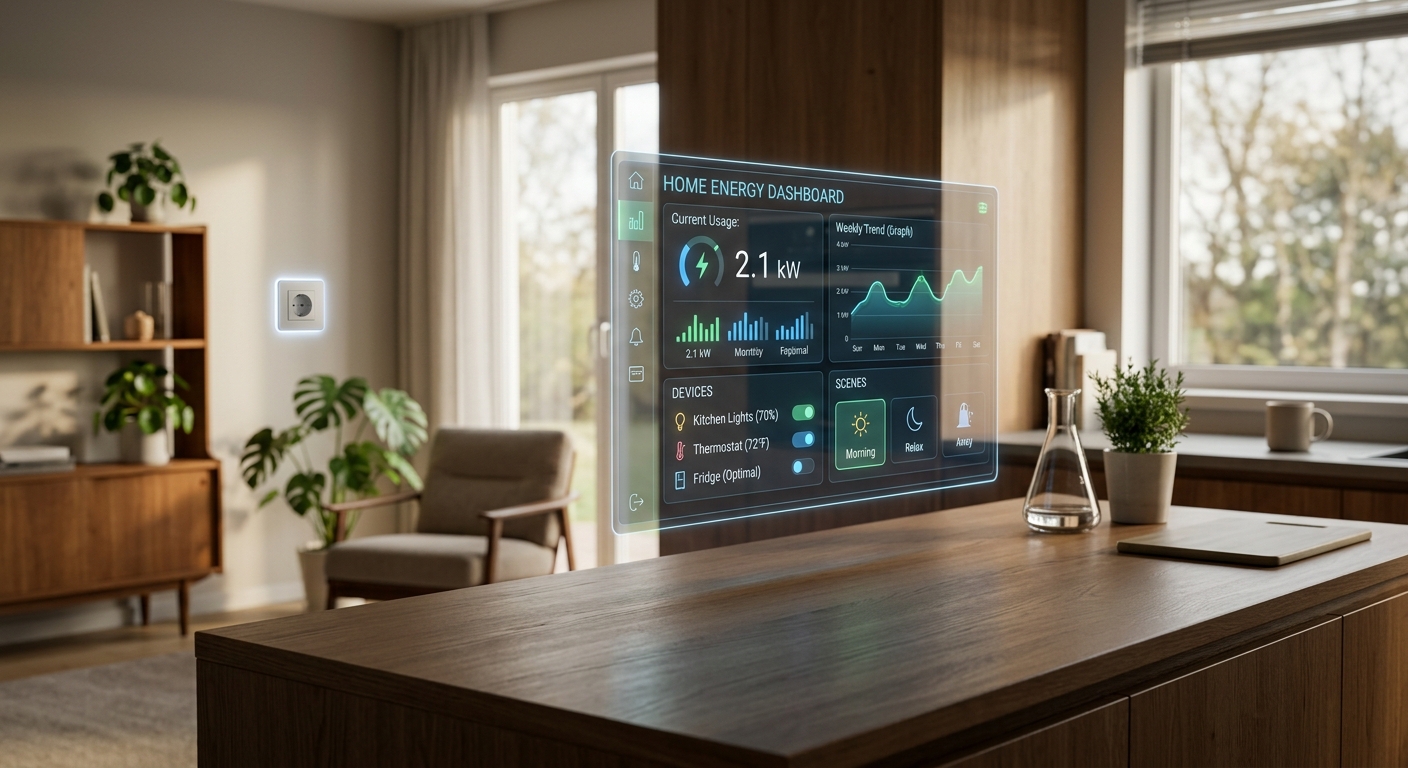
The concept of the smart home is no longer a futuristic dream; it is our current reality. Over the past decade, we have transitioned from simple remote-controlled outlets to complex, voice-activated ecosystems that manage our lighting, security, and climate. But technology never stands still. As we look ahead, the next generation of home automation promises to be more intuitive, efficient, and interconnected than ever before.
For tech enthusiasts and everyday homeowners alike, staying ahead of the curve means understanding where the industry is heading. Whether you are just starting your automation journey with a few Wi-Fi devices or looking to upgrade your entire house, here are the key smart home trends and innovations to watch this year.
1. The Rise of Interoperability: The “Matter” Standard
Historically, the biggest frustration with building a smart home has been the fragmentation of ecosystems. An Apple HomeKit user couldn’t easily use a device designed exclusively for Amazon Alexa, and vice versa. This “walled garden” approach forced consumers to be extremely careful about which brands they purchased.
This year, the widespread adoption of the Matter standard is changing everything. Developed collaboratively by tech giants like Apple, Google, Amazon, and Samsung, Matter is a universal language for smart home devices. Moving forward, if a smart plug, light bulb, or thermostat has the Matter logo, it will work seamlessly across all major platforms. This trend means less time worrying about compatibility and more freedom to choose the best devices for your specific needs.
2. From Automated to Autonomous: AI-Powered Homes
Right now, most smart homes rely on user-defined automation. You have to tell the system what to do: “Turn on the lights at 6:00 PM,” or “If the motion sensor is triggered, send a notification.”
The future of home automation is shifting from manual programming to artificial intelligence (AI) and machine learning. Future smart home systems will learn your daily habits without requiring manual setup. For example, your home will notice that you consistently turn on the coffee maker and a specific kitchen light at 7:15 AM on weekdays. Eventually, the system will begin doing this for you autonomously. The home will adapt to your lifestyle, anticipating your needs rather than just reacting to your commands.
3. Hyper-Focus on Energy Management and Sustainability
With global energy costs fluctuating and environmental awareness at an all-time high, smart home tech is pivoting heavily toward sustainability. It is no longer just about convenience; it is about conservation.
We are seeing a massive surge in devices dedicated to energy monitoring. Advanced smart plugs and intelligent power strips now provide real-time data on exactly how much electricity individual appliances are consuming. Furthermore, smart electrical panels are emerging as a major trend, allowing homeowners to see a complete breakdown of their energy usage and prioritize solar or battery power during peak grid hours. The smart home of the future will actively work to lower your carbon footprint and reduce your utility bills.
4. Enhanced Privacy and Local Processing
As we bring more microphones and cameras into our living spaces, privacy concerns have rightfully taken center stage. In the past, most smart home commands (like asking a voice assistant to turn off a switch) had to be sent to a distant cloud server for processing before the action occurred. This raised security concerns and caused slight delays.
The latest trend focuses on “Edge Computing”—processing data locally within your home rather than in the cloud. Newer smart hubs and voice assistants are equipped with more powerful internal processors, allowing them to execute commands securely on your local Wi-Fi network. This results in faster response times, functionality even when your internet is down, and significantly enhanced data privacy.
5. Invisible Technology and Aesthetic Integration
Early smart home devices were often bulky and prioritized function over form. Today, the trend is moving toward “invisible” technology. Manufacturers are designing devices that blend seamlessly into your home’s decor.
Instead of protruding adapters, we are seeing flush-mounted smart wall sockets, invisible smart locks that fit inside standard door frames, and sensors built directly into furniture and lighting fixtures. The goal is to maintain the aesthetic appeal of a traditional home while embedding powerful technology beneath the surface.
Conclusion
The future of home automation is incredibly bright. With the adoption of universal standards like Matter, the integration of predictive AI, and a strong emphasis on energy conservation and privacy, smart homes are becoming more practical and accessible for everyone. By keeping an eye on these trends, you can make smarter purchasing decisions today that will ensure your home remains intelligent and efficient for years to come.